Structured Breakfast Meals
Published: February 2026
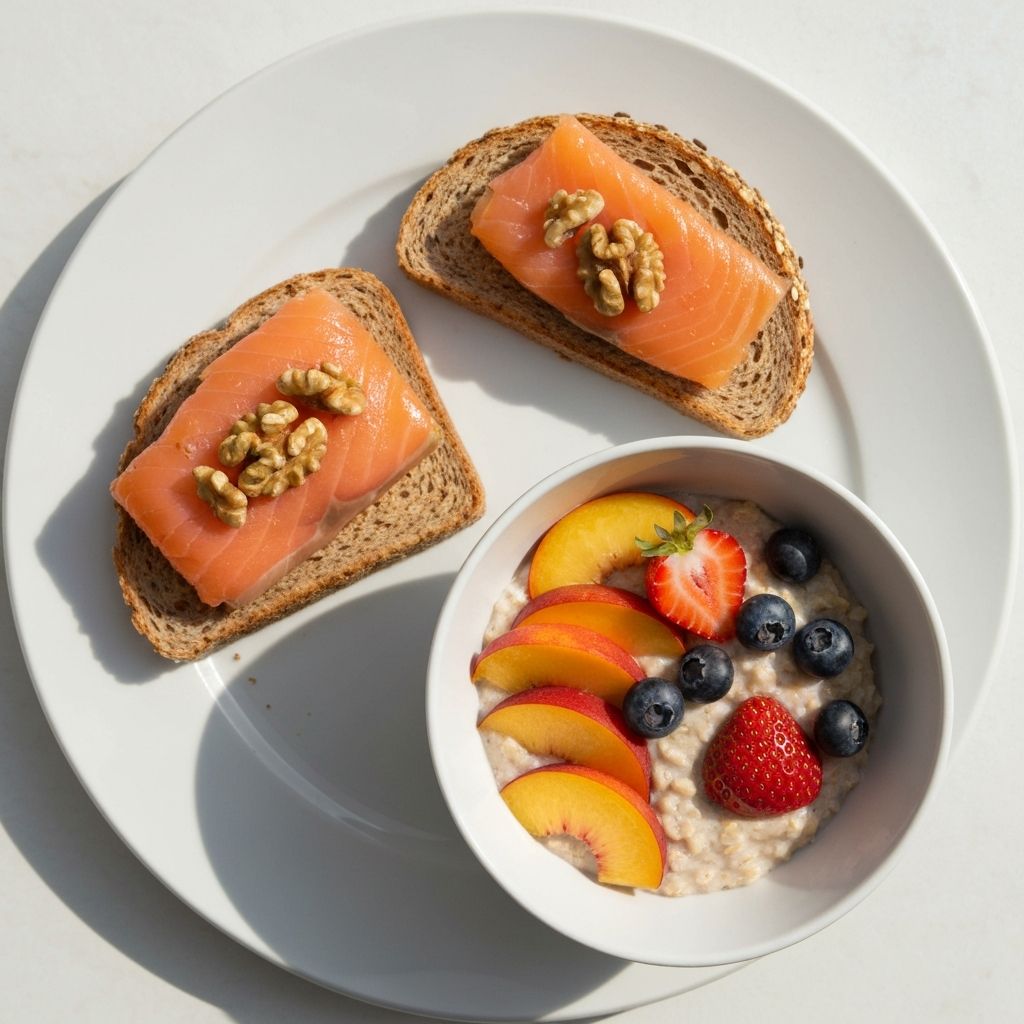
Understanding Morning Meal Patterns
Morning meals, commonly referred to as breakfast, represent the first eating occasion of the day for many individuals. The term itself derives from the concept of breaking the overnight fasting period.
This article explores common patterns observed in breakfast composition from an educational perspective, without providing personalized recommendations.
Common Components of Morning Meals
Breakfast meals across various cultures and dietary approaches often include combinations of several food categories:
Whole Grains and Cereals
Whole grain options frequently appear in morning meals. Examples include oatmeal, whole grain bread, whole wheat cereals, brown rice porridge, and quinoa bowls.
These foods are generally recognized in nutritional education as sources of complex carbohydrates and fiber.
Protein Sources
Protein-containing foods commonly included in breakfast patterns include eggs prepared in various ways, Greek yogurt, cottage cheese, nuts and nut butters, seeds such as chia or hemp, and legume-based options.
The inclusion of protein in morning meals is a topic discussed in nutritional literature regarding meal composition.
Fruits and Vegetables
Fresh or frozen berries, sliced bananas, citrus fruits, apples, leafy greens in smoothies, tomatoes, and avocados are frequently incorporated into breakfast meals.
These contribute various vitamins, minerals, and phytonutrients as described in nutritional education materials.
Healthy Fats
Sources of dietary fats in breakfast contexts include avocados, nuts and seeds, nut butters, olive oil, and coconut products.
The role of different types of fats in nutrition is extensively discussed in dietary literature.
Examples of Structured Breakfast Compositions
The following examples illustrate common breakfast patterns observed globally. These are provided for educational purposes only and do not constitute recommendations:
Grain-Based Morning Meal
Oatmeal prepared with water or milk alternative, topped with fresh berries, sliced almonds, and a drizzle of honey. This pattern combines whole grains, fruits, nuts, and natural sweeteners.
Protein-Focused Morning Meal
Scrambled eggs with sautéed vegetables such as spinach, tomatoes, and bell peppers, served alongside whole grain toast. This pattern emphasizes protein and vegetable content.
Balanced Bowl Approach
Greek yogurt base with granola, mixed berries, chia seeds, and nut butter. This pattern incorporates protein, whole grains, fruits, and healthy fats in a single serving.
Timing Considerations
The timing of breakfast consumption varies significantly among individuals based on lifestyle, work schedules, personal preferences, and cultural practices.
Some individuals consume their first meal shortly after waking, while others may delay eating for several hours. Both patterns are observed across different populations.
This website does not advocate for any particular timing pattern, as individual needs and circumstances vary considerably.
Cultural Variations
Breakfast patterns differ substantially across cultures. Some cultures emphasize savory morning meals with vegetables and proteins, while others favor sweeter options with fruits and grains.
Traditional breakfast foods vary globally, and there is no universal standard for morning meal composition.
Educational Context
Information Only: This article provides educational information about breakfast meal patterns and does not offer personalized dietary advice.
Individual Variation: Nutritional needs, food preferences, and optimal meal patterns vary significantly among individuals.
Professional Guidance: For personalized breakfast planning or dietary recommendations, consult with qualified nutrition or healthcare professionals.
No Guarantees: This content does not promise or guarantee any specific health outcomes from particular eating patterns.
Explore Further
Continue learning about meal structuring throughout the day with our other educational articles.